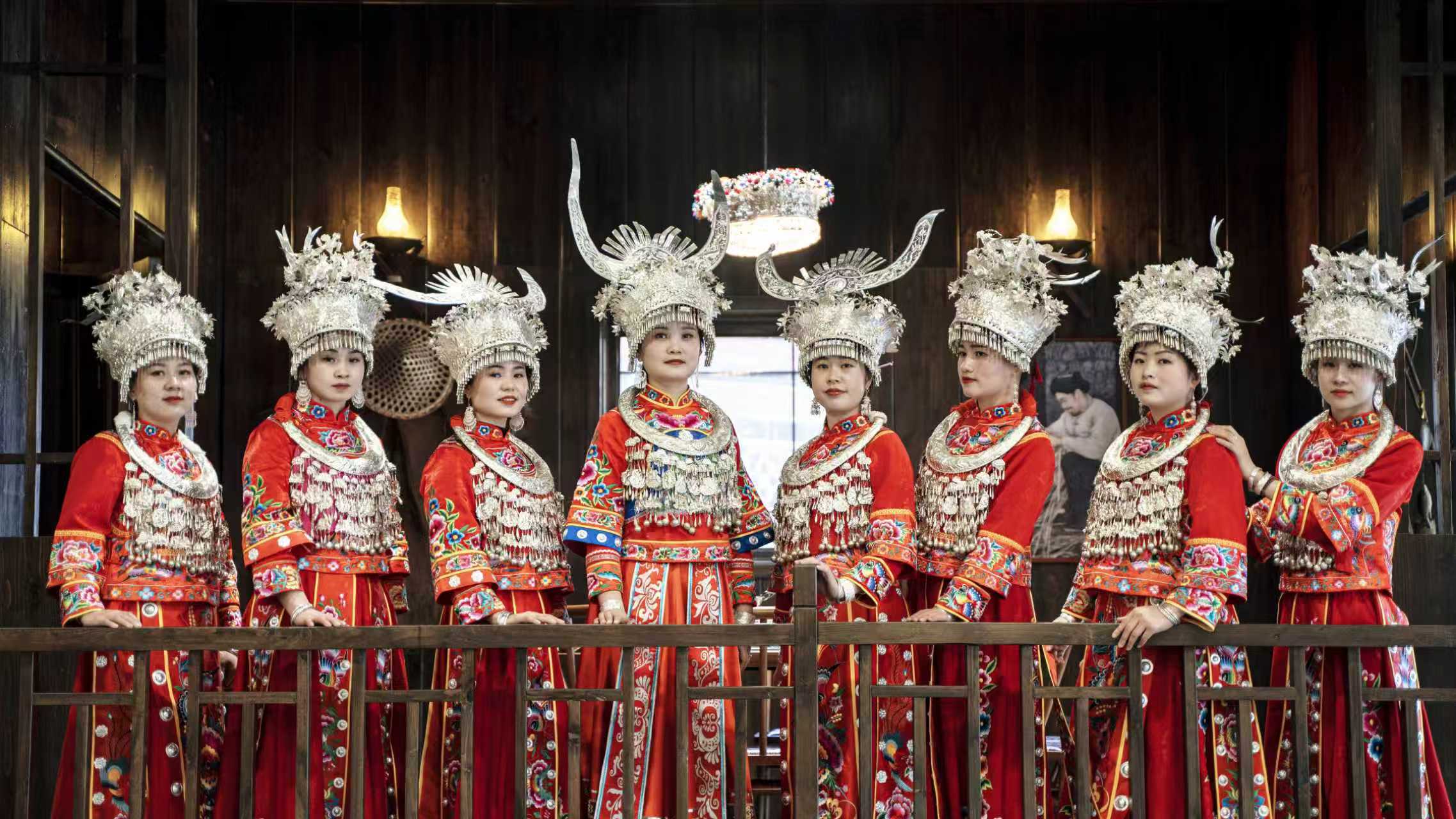
1 Price: one number per gram, nothing added later
Silver items are priced by weight — commonly about CNY 75 per gram. This figure is the total transaction price per gram: the silver material cost and the handcraft labor fee are both included, and no separate labor fee is added afterwards.
Every price tag lists three items: weight, labor fee and total. If any of the three is missing, the item should not be on the shelf — that is a stated house rule, not a suggestion. Actual prices follow the on-site price list and float with the silver market; the figure on this page is a common reference, not a quote.
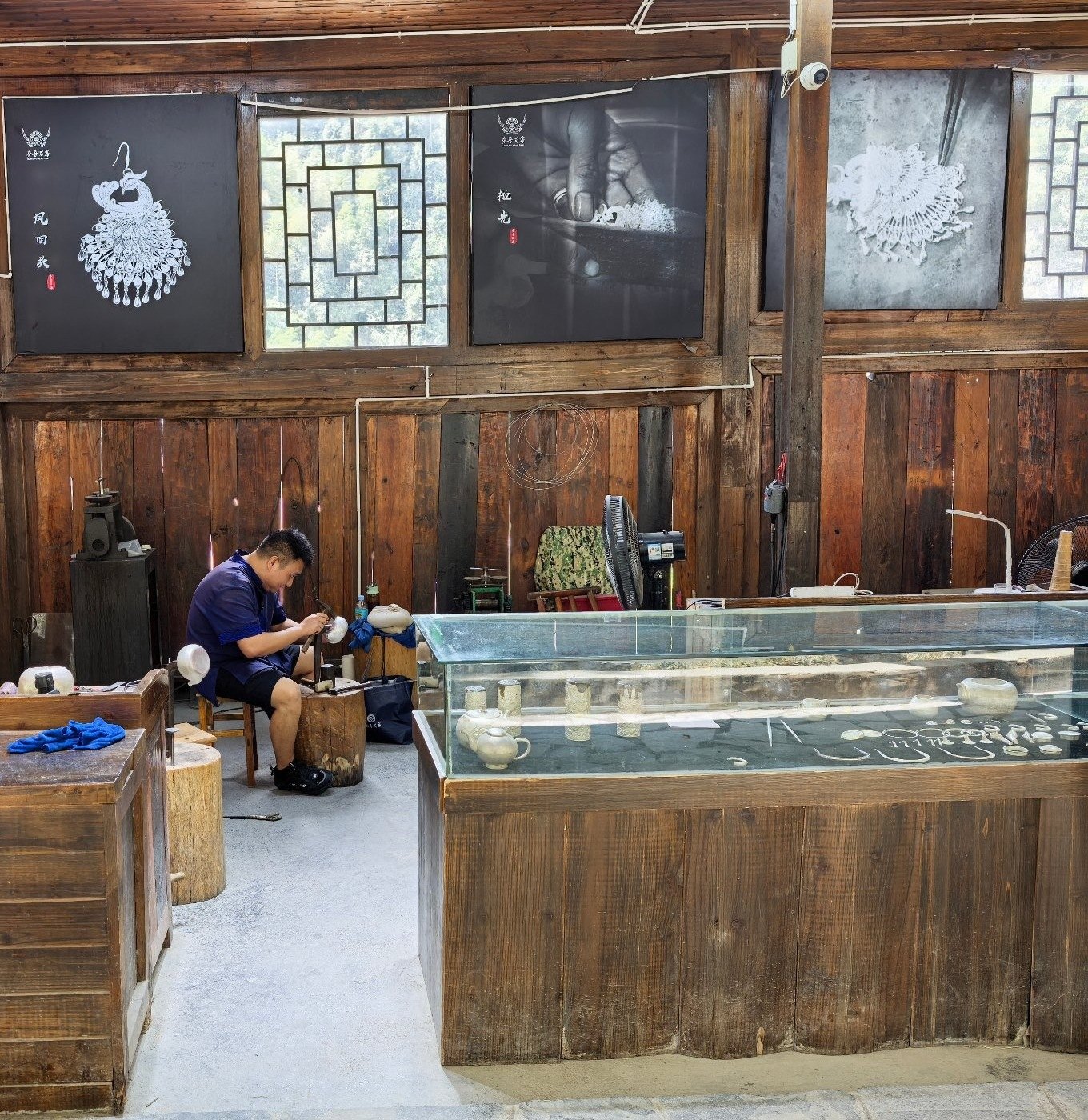
Why handmade silver costs more than the raw material: because you are paying for hours of handwork. Judging a handmade piece purely by material weight will always make it look expensive — a property of handmade goods everywhere. If you only want silver by material weight, bank silver bars serve that purpose more directly; if you want handwork, ask how long a piece takes to make — the smiths can answer.
2 Purity and testing: what the records actually say
42 silver items have been third-party tested, in two batches:
- 26 food-contact items (cups, bowls, kettles) — tested by Zhejiang Taihe against GB 4806.9-2023, with a conformity statement. Report qualifications: CMA 251100144388 / CNAS L10209 / ilac-MRA.
- 16 wearable items (bracelets and similar) — tested by Henan Taiqing, which issues measured data only, deliberately without a conformity verdict. The village therefore does not describe these items as certified; purity is stated on the receipt and price tag.
You may have any purchased piece re-tested at an independent gem-testing laboratory (typically a modest fee); the result can serve as a basis for aftersales. The village publishes this option rather than asking you to take its word.
3 Heritage status: display site, stated precisely
The Miao silver forging technique was inscribed by China's State Council in May 2006 on the first national list of intangible cultural heritage: Item 390, No. VIII-40, traditional craftsmanship, declared by Fenghuang County (Hunan) and Leishan County (Guizhou).
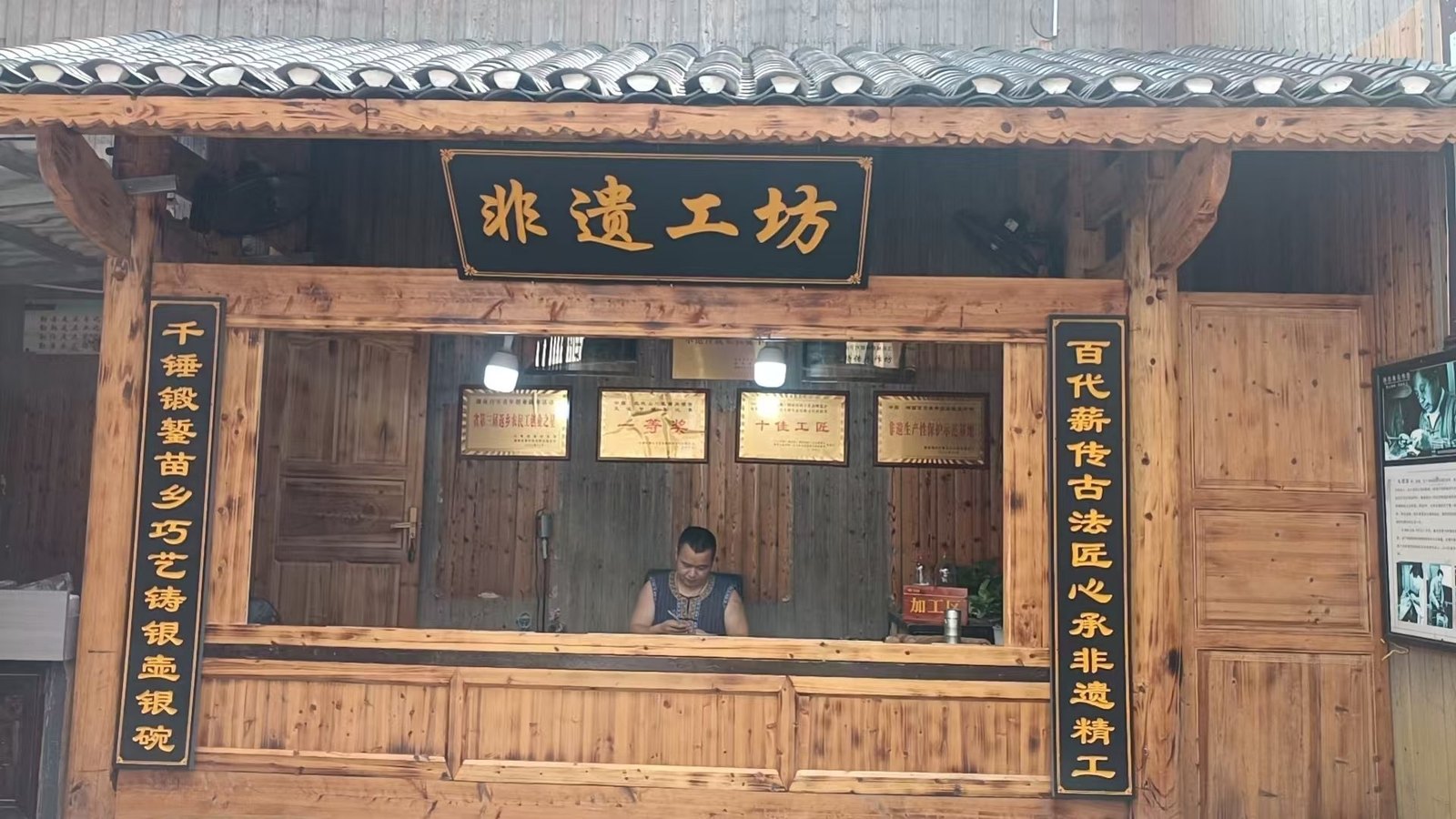
Hangwu Miao Village is a display site of this technique — not its declared origin, and the village says so in those words. In the workshop you can watch the same set of skills the list describes: drawing, forging, engraving, annealing, assembling.
4 Aftersales: the rules, written down
- Quality issues: replacement within one month of purchase, plus lifetime free repair.
- Non-quality exchanges: within one month, free of charge, if the piece has no man-made damage, no engraving and does not affect resale; exchanging for a higher-priced item requires paying the difference.
- Re-engraving: a re-engraved piece costs 5%–10% of its listed price — this covers reworking the material, not a penalty.
- Not covered: man-made damage, special-offer items, damage from improper use or care.
- Postage: mailing items in for cleaning or exchange is paid by the buyer.
- How to claim: with the purchase receipt (which states weight and purity); the on-site public notice is the reference for details.
Contact: 0743-2828787 / 18670439654, 9:00–17:00 CST. Silver sold at the village is handled by Guzhang Hangwu Rong Village Culture & Tourism Co., Ltd.; visitors do not need to distinguish between the two operating entities — one number serves both.
5 Care basics
Silver darkens over time because sulfur compounds in air react with its surface — tarnishing is normal, not proof of fake silver. Polish gently with a soft cloth; store pieces in a sealed bag away from humidity; avoid wearing pieces in hot springs or while using harsh chemicals. For stubborn tarnish or structural repair, bring the piece back to the workshop rather than using aggressive home methods.